Astrology hobbyists know that a birth chart is a static map, but the sky never stays still. Transit events—planetary movements that intersect natal positions—create dynamic windows where intentions can be amplified or challenged. Understanding the power of timing in transit interpretation transforms a chart from a static reference into a practical planning tool.
Why Do Transit Timings Matter for Experienced Chart Readers?
Seasoned astrologers often ask, “When is the best moment to launch a project or make a career change?” The answer lies in the interplay between transiting planets and natal points. A transit that squares a natal Sun may signal friction, while a trine to the natal Moon can smooth emotional flow. Recognizing these patterns helps hobbyists move beyond generic forecasts and apply astrology to concrete life decisions.
How Can You Identify the Most Impactful Transits?
Start with the outer planets—Saturn, Uranus, Neptune, and Pluto—because their slow motion creates long‑term themes. Follow these steps:
- Locate Natal Angles. Pinpoint the Ascendant, Midheaven, and any personal planets you monitor regularly.
- Track Current Planetary Positions. Use a reliable ephemeris or software to see where each transiting planet sits today.
- Measure Aspects. Look for conjunctions (0°), oppositions (180°), squares (90°), trines (120°), and sextiles (60°) between transits and natal points.
- Assess Orb Tolerance. For personal planets, a 6–8° orb is typical; for outer planets, a wider 8–10° orb can still be significant.
- Prioritize. Rank transits by the planet’s speed and the natal point’s importance in your chart (e.g., Sun, Moon, or ruling planet).
These steps create a clear hierarchy, allowing hobbyists to focus on the few transits that will truly shape the upcoming weeks.
What Practical Steps Can You Take When a Transit Peaks?
Once a key transit is identified, translate its energy into actionable advice:
- Saturn Return (≈29.5‑year cycle): Use the period to solidify structures—sign contracts, reorganize finances, or commit to long‑term training.
- Uranian Square to natal Mercury: Expect sudden insights or disruptive communication; keep a notebook handy for spontaneous ideas.
- Neptunian Trine to natal Venus: Enhance artistic projects, cultivate empathy, or explore spiritual practices.
- Pluto Opposition to natal Mars: Channel power into transformation—consider intense workouts, deep research, or confronting a lingering conflict.
By matching the transit’s archetype to specific actions, the chart becomes a timing blueprint rather than a vague prophecy.
Can You Visualize Transit Dynamics for Better Planning?
Visual tools make the abstract concrete. A sky‑filled illustration of planetary arcs can highlight the moment a fast‑moving planet crosses a natal point, while a still image of a power grid reminds us that timing channels energy.

Overlaying transits on a natal wheel (available in most astrology programs) lets you see at a glance when a major aspect activates, turning raw data into a visual schedule.
How Do Transit Patterns Influence Long‑Term Goals?
Long‑range planning benefits from recognizing cycles. For instance, a Jupiter trine to natal Saturn repeats roughly every 12 years, offering a period of growth that feels stable. Conversely, a Mars retrograde square to natal Pluto can recur in 2‑year intervals, warning of internal power struggles. Mapping these recurring windows across decades equips hobbyists with a strategic outlook that aligns personal ambitions with cosmic timing.
What Are the Next Steps for the Serious Hobbyist?
To embed timing into your practice:
- Set up a monthly transit review in your calendar, noting any exact aspects to key natal points.
- Maintain a transit journal: record the date, aspect, emotional tone, and actions taken.
- Experiment with one “timed” decision per month—track outcomes against a control period with no timing focus.
- Join an online forum or local study group to compare transit experiences and refine interpretation skills.
Consistent tracking turns abstract timing theory into measurable personal data, sharpening intuition and reinforcing the practical value of transit analysis.
Where Can You Find Reliable Transit Resources?
Most reputable astrology platforms provide real‑time transit charts. Look for services that include aspect orbs, retrograde indicators, and the ability to overlay transits on your natal wheel. Many also offer email alerts for exact aspects, ensuring you never miss a critical moment.
By treating transit events as a timing mechanism rather than a mystical curiosity, experienced hobbyists can harness the power of the heavens to make informed, purposeful choices.
Power Rangers | Bandai México Muestra Su Línea De Figuras De La

Power Rangers | Bandai México muestra su línea de figuras de la ...
Power Line Free Stock Photo - Public Domain Pictures
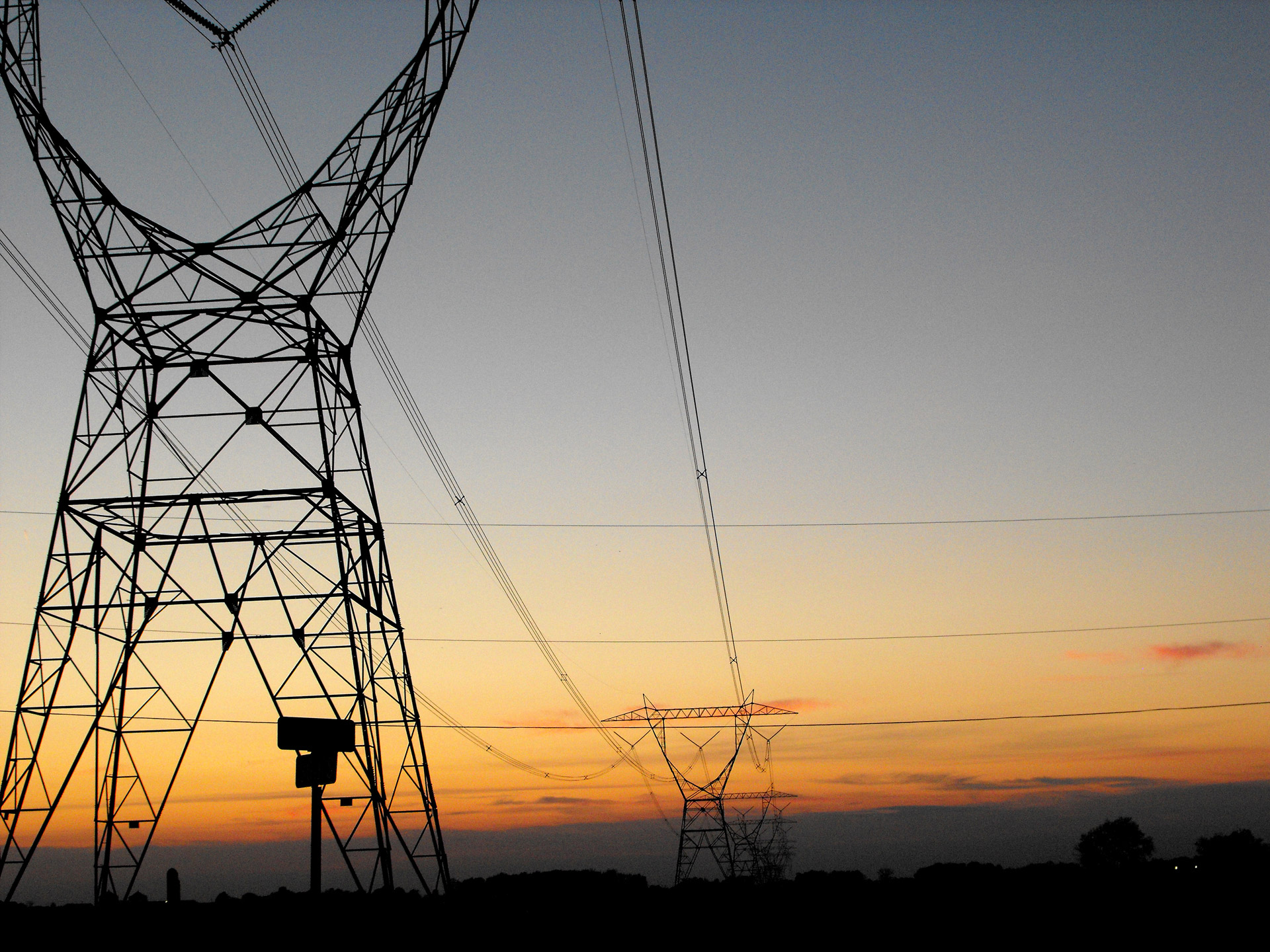
Power Line Free Stock Photo - Public Domain Pictures
Power Rangers (film) - Wikipedia
.png)
Power Rangers (film) - Wikipedia
Electrical Power Lines Free Stock Photo - Public Domain Pictures

Electrical Power Lines Free Stock Photo - Public Domain Pictures